
How to Create the Perfect Backdrop Design — A Guide for Bands and Artists
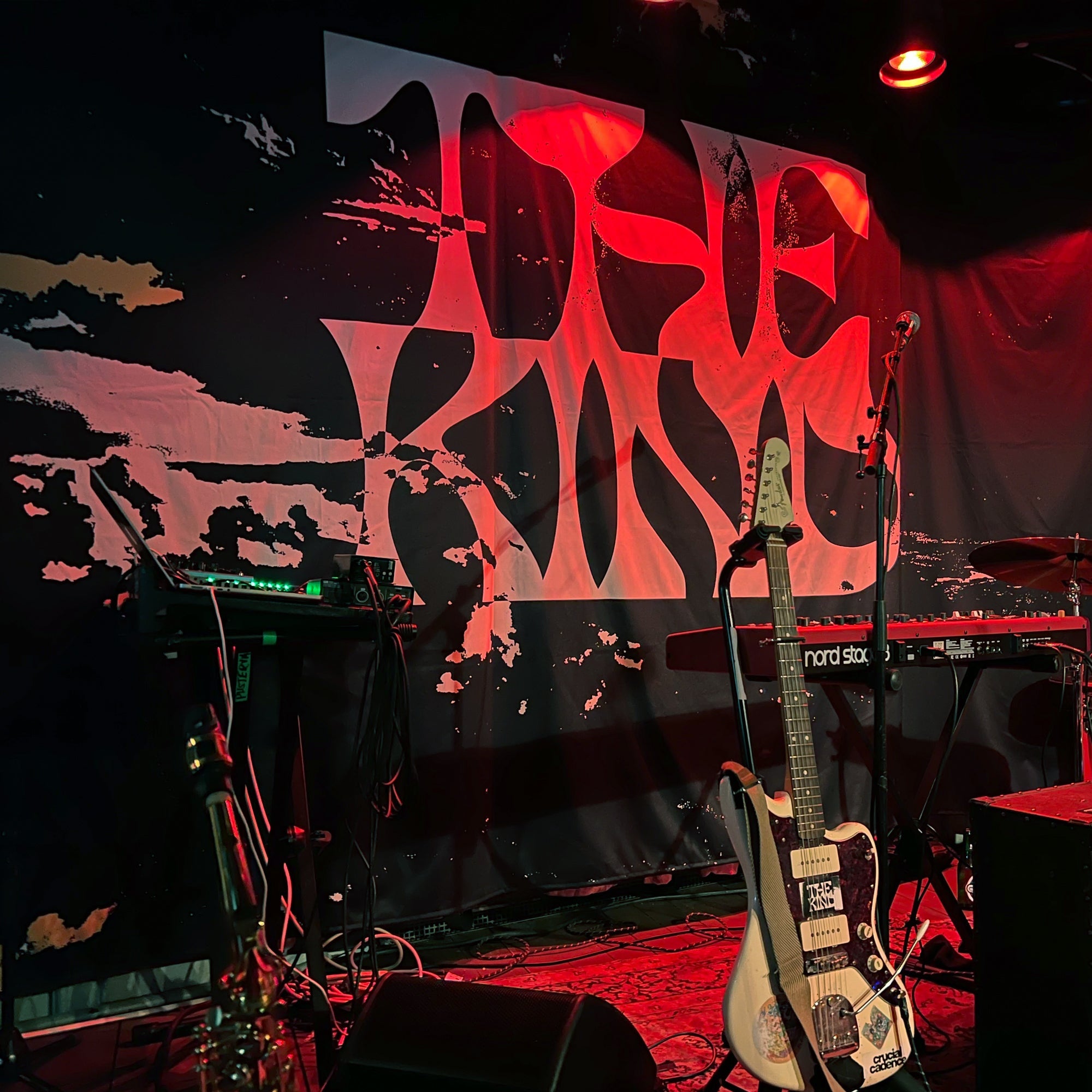
Designing a backdrop for the stage is a key element of a band’s visual identity. A professional backdrop can transform the live experience, reinforce the band’s branding, and result in stunning concert photos. At the same time, there are some important things to keep in mind to ensure the final result is perfect.
This guide walks you through everything you need to know to design the perfect backdrop for your band.
1. Think about where the backdrop will be used
-
Small club stages
-
Festivals
-
Tours in different venues
-
Outdoor shows
Different stages require different sizes and design choices. The bigger the stage, the more details and effects are visible. On smaller stages, simpler, more centered designs often work best. Many bands order two sizes of the same design to stay flexible.
2. Use high-resolution files
The most common mistake in backdrop design is using low-resolution images or graphics. Since backdrops are printed in large formats, high-resolution originals are essential for sharp and professional results.
Recommended resolution: Scale 1:10 at 1000 dpi
File format: EPS or export a JPG in the highest quality
👉 Tip: Avoid using logos from social media or screenshots — they are almost never high enough quality for printing. AI-generated images are usually not sufficient either.
3. Prioritize readability and visibility from a distance
Your backdrop should be clearly visible even from the back of the venue:
-
Large logos
-
Strong contrast between background and text
-
Avoid small details that disappear in stage lighting
Simple, bold designs are often more effective than overly busy ones.
4. Color management for print
What you see on your screen isn’t always what you’ll get in print. For the best results:
-
Always work in a CMYK color profile (print optimized)
-
Avoid neon or RGB colors that cannot be reproduced in print
-
Gold and metallic shades cannot be printed in CMYK
5. Leave margins for hems and eyelets
Remember that your backdrop will include:
-
Seams along the edges
-
Eyelets for hanging
Always keep important graphics (logos or text) at least 10–15 cm inside the edges.
6. Adapt your design to stage lights and effects
On stage, your backdrop will interact with:
-
Spotlights
-
Smoke and haze
-
LED walls
-
Projections
Darker backgrounds often work well, as they enhance lighting effects rather than competing with them.
7. Less is more — simplicity often wins
The audience rarely sees fine details from several meters away. A clean design with your logo, a strong background, and perhaps one symbolic element is usually most effective. Overly detailed backdrops risk getting “lost” on stage.
8. Build recognition and branding
Your backdrop is part of your branding. Make sure that:
-
The design matches album covers, merch, and online presence
-
Colors, fonts, and graphics are consistent
-
It reflects the band’s identity
9. Work with us early in the process
We can help with:
-
File review
-
Resolution checks
-
Color management
-
Adapting your design to the material
At StagePush, we work closely with you to ensure your design prints perfectly on our durable 205 g polyester material.
Summary: Backdrop Design Checklist
✔ High-resolution original files
✔ CMYK colors optimized for print
✔ Clear logo and simple layout
✔ Safe margins around the edges
✔ Adaptation to stage lights and effects
✔ Consistent branding
✔ Communication with us before print
Need help with your backdrop design?
At StagePush, we have years of experience helping bands and artists create stylish, durable, and professional backdrops for all types of stages. We print exclusively on 205 g polyester — perfect for touring, easy transport, and outstanding print quality.
👉 Contact us for advice, file checks, and a quote.
Share:
Why Is a Backdrop Important on Stage?